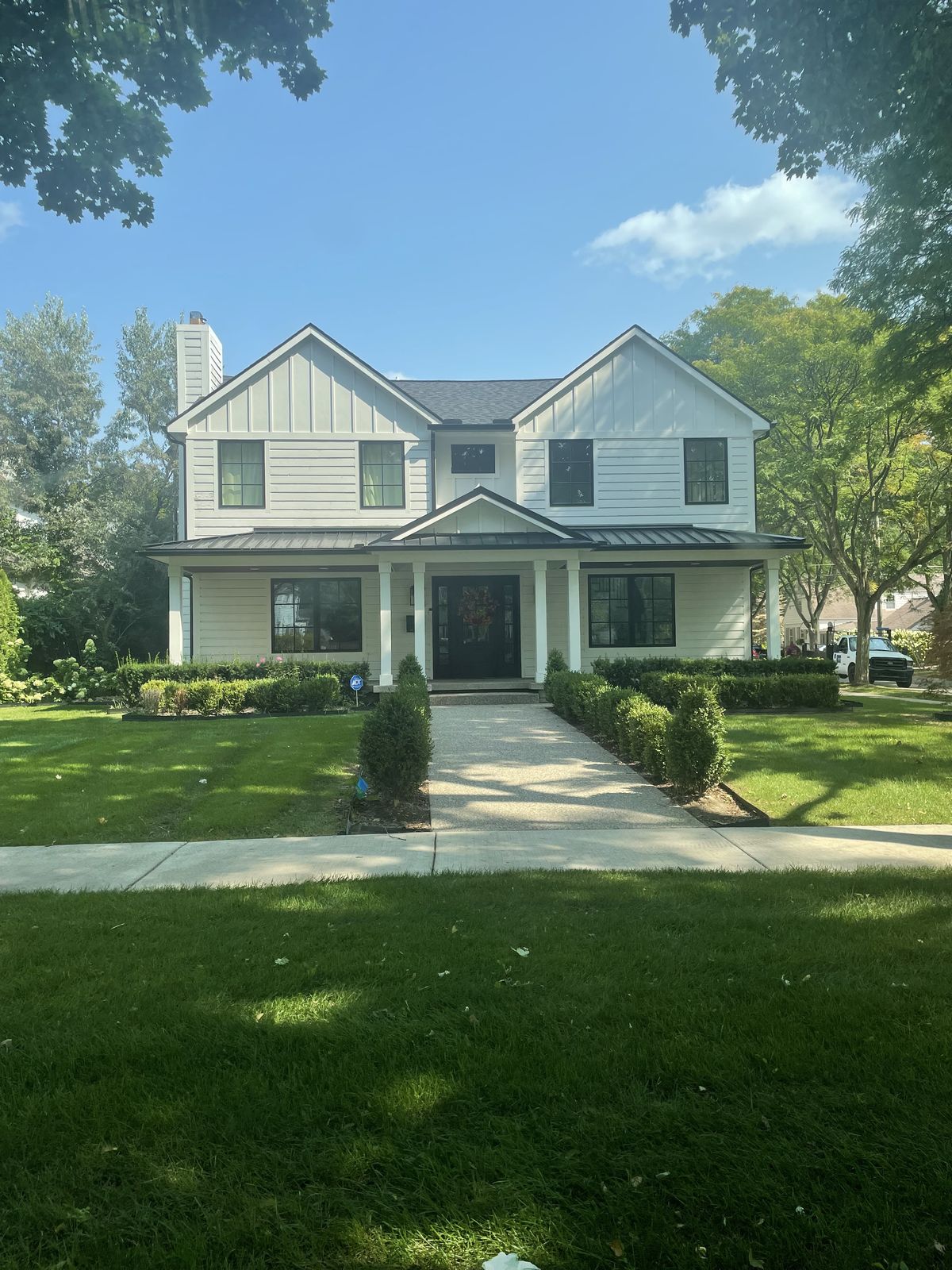
Probate is often a challenging, emotionally taxing journey. It’s a legal process that can feel incredibly overwhelming, particularly when a family home—a place imbued with so many memories—is involved. We regularly hear from individuals grappling with this very specific, often urgent, query: ‘can I get a loan on a house in probate?’ It’s a crucial question, one that speaks to real financial pressures and the need for clarity during an already difficult time. Our team at Home Helpers understands this deeply. We’ve built our reputation on guiding people through these complex scenarios with empathy and expert knowledge.
Here at Home Helpers, we’re not just some faceless corporation; we’re people, just like you, dedicated to helping our community navigate these intricate real estate challenges. We know the probate process can feel like a grueling road warrior hustle, full of deadlines and legal jargon. So, let’s unpack the reality of securing financing for a property tied up in probate, focusing on what you need to know in 2026. We’ll explore the possibilities, the formidable hurdles, and how our seasoned expertise can truly make a difference in your specific situation.
Understanding the Probate Labyrinth: A Quick Primer
Before we dive into the nuances of financing, it’s vital to grasp what probate actually entails. Essentially, it’s the legal process of proving a deceased person’s will, if they had one, and then distributing their assets according to that will or, if there’s no will, according to state law. This process ensures creditors are paid and remaining assets pass to the rightful heirs. It sounds straightforward on paper, but in practice, it’s a detailed, sometimes dramatic shift in property ownership that can stretch on for months, or even years, depending on the estate’s complexity and the court’s schedule. This protracted timeline is precisely why many people find themselves asking, ‘can I get a loan on a house in probate?’ They need liquidity now, not later.
During probate, the estate’s assets, including real estate, are technically owned by the estate itself, not directly by the beneficiaries. A personal representative, often called an executor, is appointed by the court to manage these assets. This individual holds significant responsibility, acting under court supervision. This is a critical, non-negotiable element of the entire process. Any major decision regarding the estate’s assets, particularly selling or borrowing against real property, usually requires court approval. And that, as we’ve found, is where the real complexity begins for those wondering, ‘can I get a loan on a house in probate?’
Can I Get a Loan on a House in Probate? The Direct Answer in 2026
Yes, in many cases, you can get a loan on a house in probate, but it’s rarely simple. This isn’t your typical mortgage application, not by a long shot. The key here is understanding the distinct type of financing required and the specific legal parameters that govern such transactions in 2026. Traditional lenders, like big banks, are often hesitant, even outright unwilling, to underwrite a standard mortgage on a property in probate. Why? Because the estate, not an individual, is the legal owner, and the court’s involvement introduces significant risk and an unpredictable timeline.
So, if you’re asking, ‘can I get a loan on a house in probate,’ you’re generally looking at specialized financing options. These aren’t the products you’ll see advertised on prime-time television. We’re talking about probate loans, estate loans, or bridge loans specifically designed for these unique situations. These lenders understand the intricacies of probate law and are willing to take on the associated risks, often at a higher interest rate, of course. Our team at Home Helpers has seen countless scenarios unfold, and we can’t stress enough how crucial it is to work with professionals who truly grasp this niche market. Trying to navigate this alone can lead to frustration and costly delays.
Why Would Someone Need a Loan on a Probate Property?
It’s a fair question. Why take on a loan during an already complicated process? Our experience shows there are several common, often pressing, reasons why families ask, ‘can I get a loan on a house in probate?’:
- Estate Expenses: Probate isn’t free. There are court fees, attorney fees, appraisal costs, and potentially executor fees. These can quickly add up, draining liquid assets from the estate. A loan can cover these costs, preventing the need to dip into personal funds or force a quick, unfavorable sale of other assets.
- Property Maintenance: Houses in probate still incur expenses. Think property taxes, insurance, utility bills, and essential repairs. If the estate lacks sufficient cash, a loan helps keep the property in good condition, protecting its value. We’ve seen properties fall into disrepair while waiting on probate, only to lose significant market value. This is a situation we actively help clients avoid.
- Heir Buyouts: Sometimes, one heir wants to keep the property, while others want their share in cash. A loan can facilitate this buyout, allowing the remaining heir to purchase the others’ interests without selling the house to a third party. This is a common scenario where the question, ‘can I get a loan on a house in probate,’ becomes very personal.
- Urgent Personal Needs: For some beneficiaries, access to funds from the estate is critical for their own immediate financial needs, even before the estate is fully settled. While this is less common for directly financing the house, it underlines the broader pressure points that lead to seeking interim solutions.
- Avoiding Foreclosure: If the deceased had an existing mortgage and the estate lacks funds to maintain payments, a probate loan can prevent foreclosure, which would be catastrophic for the estate’s value and the heirs. This is where Home Helpers truly shines, offering solutions to prevent such devastating outcomes. We mean this sincerely: it runs on genuine connections.
Types of Loans Available for Houses in Probate
When we talk about, ‘can I get a loan on a house in probate,’ we’re typically considering a few specific avenues. It’s not a one-size-fits-all situation, and what works best depends heavily on the specifics of the estate and the urgency of the need.
- Probate Loans (or Estate Loans): These are specifically designed for estates in probate. Lenders offering these loans understand the legal framework and are willing to advance funds against the value of the estate’s assets, primarily real estate. The loan is usually repaid when the property is sold or the estate is fully distributed. These can be crucial for covering immediate costs. Our team has extensive experience with these types of arrangements, helping clients navigate the application process smoothly.
- Bridge Loans: While not exclusive to probate, bridge loans can be a viable option. They’re short-term loans designed to ‘bridge’ a financial gap, usually until a more permanent financing solution or a sale occurs. If the property is close to being sold, but the estate needs funds for repairs or other immediate expenses, a bridge loan might be appropriate. It’s a fast, if sometimes more expensive, solution for those asking, ‘can I get a loan on a house in probate’ and need cash quickly.
- Personal Loans (for Heirs/Executors): In some less common scenarios, an executor or beneficiary might take out a personal loan in their own name to cover estate expenses, with the expectation of being reimbursed once the estate settles. This carries personal risk and isn’t directly a loan on the house in probate, but it’s a way to inject funds. We generally recommend caution with this approach, as it places the financial burden squarely on an individual.
- Cash Advances from Specialty Lenders: Some companies offer cash advances against an heir’s anticipated inheritance. Again, this isn’t a loan secured by the probate property itself but provides liquidity. These often come with high fees and interest rates, so it’s essential to weigh the costs carefully. We always advise our clients to explore all options and understand the full financial implications.
The Court Approval Hurdle: A Major Consideration
Here’s what we’ve learned: success depends on understanding the court’s role. Most actions involving real property within a probate estate, especially borrowing against it, require court approval. The personal representative can’t simply decide to take out a loan. They must petition the probate court, demonstrating a legitimate need for the funds and that the loan is in the best interest of the estate and its beneficiaries. This adds a layer of complexity and time to the process for anyone asking, ‘can I get a loan on a house in probate.’
The court will scrutinize the terms of the loan, including the interest rate, fees, and repayment schedule. They want to ensure the estate isn’t entering into a predatory agreement. This means having a clear, well-documented plan is absolutely essential. Our team works closely with legal professionals and understands what the courts typically look for, helping you prepare a robust case. We’ve seen it work, and we know how to streamline this often-bureaucratic step.
The Application Process: What to Expect
So, you’ve decided that, yes, you need to explore ‘can I get a loan on a house in probate.’ What’s the actual process like in 2026? It’s more involved than a typical loan, but manageable with the right guidance. Here’s a general overview:
- Consult with Professionals: First, and we can’t stress this enough, talk to a probate attorney and a specialized real estate company like Home Helpers. We can help you understand your options and the legal implications. We’ll give you an open book, working together as a team.
- Gather Documentation: You’ll need extensive documentation, including the deceased’s death certificate, the will (if applicable), probate court orders appointing the personal representative, property appraisal, details of the estate’s assets and liabilities, and a clear explanation of why the loan is needed.
- Find a Specialized Lender: As mentioned, traditional banks are usually out. You’ll need to seek out lenders who specialize in probate or estate loans. Our network and experience can be invaluable here, pointing you towards reputable options.
- Loan Application and Underwriting: The lender will review all your documentation, assess the property’s value, and evaluate the estate’s financial health. They’ll scrutinize the court orders to ensure the personal representative has the authority to proceed.
- Court Petition and Approval: This is often the most time-consuming step. The personal representative files a petition with the probate court, requesting permission to secure the loan. The court reviews the petition, and if satisfied, issues an order authorizing the loan. This is where our knowledge of the process truly helps to avoid unnecessary delays.
- Loan Closing: Once court approval is granted, you can proceed to close the loan, receiving the much-needed funds. That’s the reality. It all comes down to careful planning and expert execution.
Home Helpers: Your Expert Partner in Probate Real Estate
When you’re asking, ‘can I get a loan on a house in probate,’ you’re not just looking for a simple answer; you’re looking for solutions, guidance, and peace of mind. That’s precisely what we offer at Home Helpers. We understand the unique pressures of probate and how deeply personal these situations can be. Our team isn’t just following the law to the letter; we take our reputation very seriously, and we know that happy clients make a profound difference to our company. We never want to see a bad review – it’s bad for you and for us!
Unlike many providers in the space who might offer a generic approach, we pride ourselves on being a BBB accredited business with a ton of happy reviews. We’re very passionate about working with homeowners to find the best solution for you. If it’s not a good fit for you to get a loan on a house in probate, we’ll be happy to recommend what we think is best, whether it’s exploring a direct sale or other options. We’re local, and we care about the property values around us. We take your issues seriously; this is what sets us apart from cold, national names. To us, your issues are personal.
We provide an open book approach, working together as a team to create a win-win that we both feel is a fair offer, based on the condition of the property. We’re here to help you navigate the complexities of probate real estate, from understanding if you can get a loan on a house in probate to exploring direct cash offers that can bypass many of these hurdles. Our goal is to give you an outstanding experience, because honestly, we love getting great reviews! Ready to Find Your Perfect Home? Or perhaps, ready to find the perfect solution for your probate property? Contact us anytime to discuss your situation.
Navigating Loan Options for Probate Property: A Comparison
Understanding the different financing avenues when you’re thinking, ‘can I get a loan on a house in probate,’ is crucial. Here’s a quick comparison of the most common approaches in 2026:
| Feature | Traditional Mortgage (Post-Probate) | Probate-Specific Loan | Cash Buyer (Home Helpers approach) |
|---|---|---|---|
| Availability | Only after probate closes | During probate process | During or after probate |
| Speed | Moderate to slow | Can be relatively fast (after court) | Very fast, often within days |
| Court Approval | Not typically required for buyer | Required for loan approval | Not required for sale (if PR has authority) |
| Interest Rates | Generally lowest | Higher than traditional mortgages | N/A (no loan) |
| Fees | Standard closing costs | Origination fees, higher costs | No fees, often covers closing costs |
| Repayment | Monthly payments | Lump sum at estate closing/sale | N/A (immediate cash) |
| Complexity | Standard | High, legal and financial | Low, straightforward |
| Typical Use | Long-term financing for new owner | Cover estate expenses, urgent needs | Quick sale, avoid repairs, bypass probate hurdles |
This table highlights why, for many, exploring a direct sale with a company like Home Helpers can sometimes be a more straightforward and faster solution than asking, ‘can I get a loan on a house in probate.’ We offer a transparent, streamlined process, often providing a fair cash offer that eliminates the need for loans, repairs, and lengthy court procedures for selling the property.
The Unflinching Reality of Probate and Property in 2026
The landscape of probate and real estate continues to evolve. In 2026, we’re seeing increased demand for efficient, empathetic solutions. The protracted nature of court proceedings, combined with the often-unexpected financial burdens, means that simply waiting for probate to conclude isn’t always a viable option. Whether you ultimately secure a loan on a house in probate or explore other avenues, proactive planning and expert consultation are absolutely paramount.
We’ve found that families often underestimate the ongoing costs of holding a property through probate – taxes, insurance, maintenance, and potential repairs can quickly erode the estate’s value. That’s why considering options like ‘can I get a loan on a house in probate’ becomes a necessity, not just a preference. Our team at Home Helpers is here to help you understand all your options, providing clear, actionable advice tailored to your specific circumstances. We believe in empowering our clients with knowledge, allowing them to make the best decisions for their families and their future.
Final Thoughts on Financing Probate Property
Navigating the question of ‘can I get a loan on a house in probate’ is a significant undertaking, one that demands a nuanced understanding of both real estate and probate law. It’s certainly possible, but it requires specialized knowledge, patience, and often, court intervention. For those facing these demanding schedules and high expectations, remember that you don’t have to go it alone. Our team at Home Helpers is here as your trusted partner, offering both expert guidance on financing options and practical solutions if selling the property is the best path forward.
We invite you to reach out to us. We’re committed to an outstanding experience, and we genuinely care about helping you find the right solution, whether that involves a probate loan or a direct cash offer. Have Questions About Our Services? Don’t hesitate to visit our website or give us a call. We’re confident we can help you turn a complex situation into a manageable one. Start Your Home Search With Expert Help, or in this case, start your probate property solution with expert help. We look forward to working with you.
Frequently Asked Questions
What is probate and why does it affect getting a loan?
Probate is the legal process of validating a will and distributing a deceased person’s assets. It impacts getting a loan because during probate, the estate, not an individual, legally owns the property. This means any loan against the house usually requires court approval, adding complexity and time.
Can I get a traditional mortgage on a house in probate?
Generally, no, you cannot get a traditional mortgage on a house in probate. Most conventional lenders are hesitant due to the legal ownership structure and the necessity of court approval. Specialized probate loans are typically the more viable option.
What kind of loans are available if I want to get a loan on a house in probate?
If you’re seeking to get a loan on a house in probate, you’ll typically look at probate-specific loans or estate loans. Bridge loans can also be an option for short-term needs. Personal loans to the executor are sometimes used but carry individual risk.
How long does it take to get a loan on a house in probate?
The timeline for getting a loan on a house in probate can vary significantly. It depends on factors like court caseloads, the complexity of the estate, and how quickly you can gather required documentation. Court approval often adds several weeks or even months to the process.
What documentation is needed to get a loan on a house in probate?
You’ll need extensive documentation, including the death certificate, the will, court orders appointing the personal representative, property appraisals, and a detailed explanation of the loan’s purpose. Lenders will also assess the estate’s overall financial health.
Will the probate court always approve a loan on an estate property?
No, the probate court will not always approve a loan. The personal representative must petition the court and demonstrate a legitimate need for the funds, proving that the loan is in the best interest of the estate and its beneficiaries. The court scrutinizes the loan terms carefully.
What if the estate doesn’t have enough liquid assets for probate expenses?
If the estate lacks sufficient liquid assets, a probate loan can be a crucial solution. These loans cover estate expenses like court fees, attorney costs, property taxes, and maintenance, preventing the need for personal funds or a forced quick sale of other assets.
Can an heir get a loan against their inheritance directly?
While not a loan directly on the house in probate, some specialty lenders offer cash advances against an heir’s anticipated inheritance. These often come with high fees and interest rates, so it’s vital to fully understand the financial implications before proceeding.
How can Home Helpers assist if I need a loan on a house in probate?
Home Helpers can guide you through the complexities of determining if you can get a loan on a house in probate and explore all your options. We have extensive experience and can connect you with specialized lenders or offer direct cash solutions if selling the property is a better fit for your situation.
Are there alternatives to getting a loan on a house in probate?
Absolutely. A significant alternative is selling the property directly to a cash buyer like Home Helpers. This can often bypass the need for loans, court approvals for financing, and extensive repairs, providing a much faster and more straightforward solution for the estate.
What are the risks of taking out a probate loan?
The risks of a probate loan include higher interest rates and fees compared to traditional mortgages. There’s also the risk of delays in court approval or property sale, which could prolong the repayment period and increase overall costs. Careful planning is essential.
Does getting a loan on a house in probate affect its eventual sale price?
Potentially, yes. The costs associated with a probate loan, including interest and fees, will reduce the net proceeds from the eventual sale of the property. This means less money for the beneficiaries after the loan is repaid.
Is it better to get a probate loan or sell the property quickly?
The ‘better’ option depends entirely on your specific circumstances, financial needs, and the estate’s goals. If the estate needs funds for urgent expenses and plans to sell soon, a loan might bridge the gap. If speed and simplicity are paramount, a quick cash sale might be preferable.
How does Home Helpers ensure a ‘win-win’ situation for probate properties?
Home Helpers prioritizes transparency and collaboration. We offer an open book approach, working with you as a team to assess the property’s condition and present a fair cash offer. Our goal is to find a solution that genuinely benefits you and the estate, without hidden fees or complex loan processes.
Can Home Helpers provide guidance on all my probate property options, not just loans?
Yes, absolutely. Our expertise extends beyond just loans. We can discuss whether getting a loan on a house in probate is the right path, or if selling for cash, understanding market values, or other strategies might better serve the estate’s needs. We’re here to offer comprehensive, unbiased advice.
