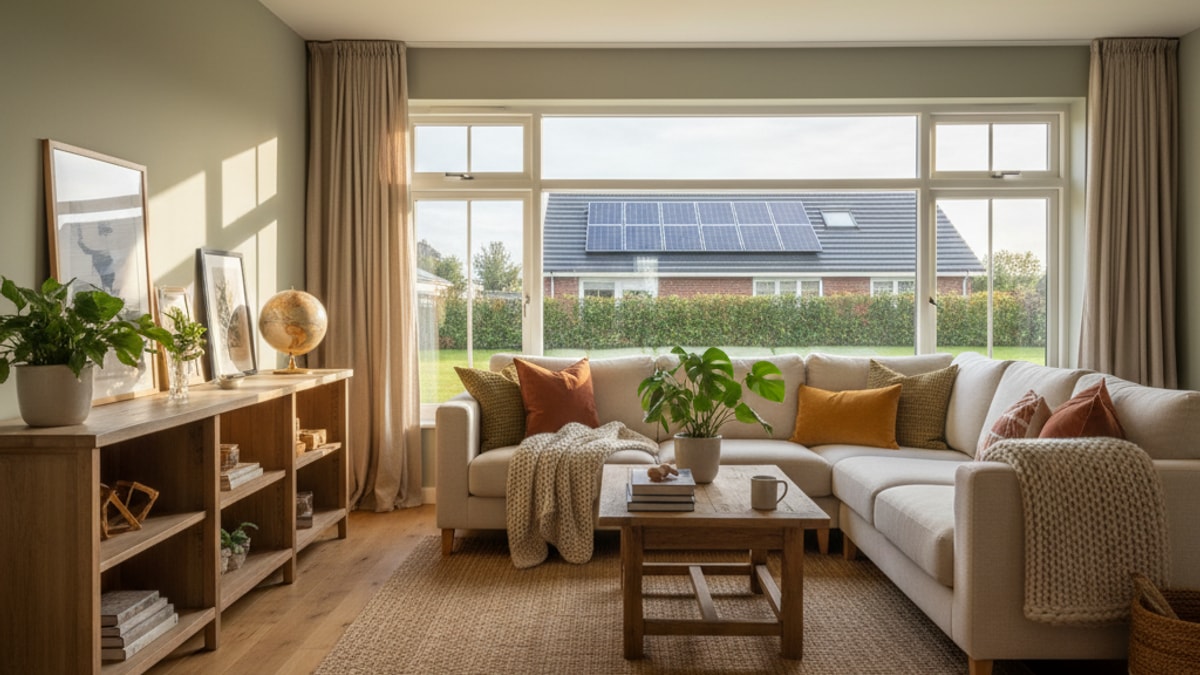
It’s one of the most common questions we hear from homeowners who’ve invested in renewable energy: “Do homes with solar panels sell faster?” It seems like it should be a simple ‘yes’ or ‘no,’ right? You’ve made a significant, future-forward upgrade. You’re offering a buyer dramatically lower electricity bills and a smaller carbon footprint. Surely, that puts your property at the front of the line.
But the reality on the ground is far more nuanced. Our team at Home Helpers has navigated countless transactions involving solar-equipped properties, and we can tell you firsthand that the answer isn’t a simple affirmation. It’s a classic “it depends.” The impact of solar panels on your sale’s timeline and profitability hinges on a handful of critical, non-negotiable factors—from the fine print in your contract to the prevailing mindset of buyers in your specific neighborhood. Let’s unpack what really moves the needle.
The Short Answer Isn’t So Short
Let’s get this out of the way: Yes, in many cases, homes with the right kind of solar installation do sell faster. They also often sell for a premium. But the keywords there are “in many cases” and “the right kind.” A solar array isn’t a magic wand for a quick sale. It’s an asset, and like any asset, its value is determined by its quality, its terms, and the market’s perception of it.
Thinking of it as a guaranteed fast pass on the real estate market is a mistake. We’ve seen it go both ways.
We’ve witnessed homes with well-documented, fully owned systems fly off the market in a weekend bidding war. We’ve also seen listings with confusing, long-term solar leases languish for months, frustrating sellers and deterring otherwise interested buyers. The difference is everything. The factors that dictate whether your panels are a selling point or a stumbling block include:
- Ownership Structure: Is the system owned outright, financed with a loan, or leased?
- Market Dynamics: Are you in a sunny, high-energy-cost area where buyers actively seek out solar?
- System Specs: What’s the age, condition, and energy output of your system?
- Buyer & Agent Education: Does your agent know how to sell it, and do buyers understand what they’re getting?
Ignoring any one of these can turn your prized green investment into a red flag. So, instead of a simple yes, the real answer is that a solar installation can dramatically accelerate your home sale, provided you’ve set the stage for it to be seen as the powerful asset it truly is.
The Data: What National Studies Actually Say
You don’t have to take just our word for it. Several major studies have tried to quantify the value of solar in residential real estate, and the findings are consistently positive. The National Renewable Energy Laboratory (NREL), for instance, conducted a foundational study that found homes with owned solar panels sold 20% faster and for 17% more than equivalent non-solar homes. That’s a staggering difference.
More recently, Zillow’s 2019 analysis found that homes with solar-energy systems sold for an average of 4.1% more than comparable homes without them. In some markets, like New York City, that premium jumped to over 5%. This price bump is often referred to as the “solar premium,” and it’s a direct reflection of the value buyers place on long-term energy savings. A 4.1% premium on a $400,000 home is an extra $16,400 in your pocket. That’s significant.
But why does a higher price translate to a faster sale? It’s about perceived value and desirability. A home that’s correctly priced and offers a compelling, unique benefit—like the promise of a $50 monthly electric bill instead of a $350 one—creates urgency. It stands out from the competition. Buyers who are focused on total cost of ownership, not just the mortgage payment, are quick to recognize the financial advantage. They do the math. They see a home that will save them thousands of dollars a year, and they’re more motivated to make a strong, fast offer to secure those savings before someone else does. Our experience shows that when the financial benefits are clear and easy to understand, the sales cycle shortens. It just makes sense.
Owned vs. Leased: The Dealbreaker You Can’t Ignore
Here’s where the conversation gets serious. This is, without a doubt, the single most important factor determining whether your solar panels will help or hinder your home sale. Our team cannot stress this enough: there is a world of difference between an owned solar system and a leased one.
An owned system (whether paid for in cash or with a solar loan that will be paid off at closing) is personal property that has become part of the real estate. It’s an asset. It’s like a brand-new kitchen or a finished basement. It adds demonstrable value to the property, and this value is what appraisers look for and what buyers are willing to pay a premium for. You own it, you sell it, the transaction is clean.
A leased system or a Power Purchase Agreement (PPA) is the polar opposite. You don’t own the equipment on your roof; a third-party company does. You’ve simply signed a long-term contract (often 20-25 years) to buy power from that company. This isn’t an asset; it’s a liability. It’s an encumbrance that a new buyer must agree to take over. This is where the problems begin.
Transferring a solar lease is not automatic. The new buyer has to apply to the solar company and be approved, which typically involves a credit check. This adds another layer of complexity and potential failure to the mortgage qualification process. Lenders can be wary of these agreements, as it represents a long-term financial obligation that affects a buyer’s debt-to-income ratio. We’ve seen lenders get spooked and deals crumble at the eleventh hour because of a lease transfer.
Think about it from the buyer’s perspective. They’re being asked to inherit a multi-decade contract they didn’t negotiate, with terms that might not be as favorable as what’s available today. The lease might have an annual escalator clause, meaning the price they pay for solar energy goes up every year, potentially erasing the savings over time. It creates uncertainty, and uncertainty is the enemy of a fast, smooth real estate transaction.
Here’s a clear breakdown of the differences we see play out in the market every day:
| Feature | Owned Solar System | Leased System / PPA |
|---|---|---|
| Ownership | You own the equipment. It’s part of the real estate sale. | A third-party company owns the equipment. |
| Home Value Impact | Adds significant, appraisable value (the “solar premium”). | Generally adds no value; can be seen as a liability. |
| Sale Process | Simple. It’s included in the sale like any other fixture. | Complex. Requires buyer to qualify for and assume the lease. |
| Financial Benefit | All energy savings and incentives go directly to you. | You pay the lease company for power, often at a fixed rate. |
| Buyer Perception | Seen as a desirable, value-adding upgrade. | Often viewed with suspicion and as a potential complication. |
| Flexibility | No restrictions. It’s your property. | Governed by a long-term, binding contract. |
Honestly, if you have a leased system and are planning to sell, your first call should be to the solar company to understand the buyout options. Paying to terminate the lease and buy the system might be the best investment you can make to ensure a timely sale.
Location, Location, Solar-Location?
The old real estate mantra absolutely applies to solar, but with a green twist. The value proposition of solar panels is not uniform across the country. It’s hyper-local, and what makes your system a must-have feature in one city could make it an afterthought in another.
First, there’s the obvious: sunshine and electricity rates. Solar makes the most financial sense in areas with two key ingredients: abundant sunlight and high utility costs. Think of states like California, Arizona, Hawaii, and much of the Northeast. In these regions, the return on investment for solar is rapid and substantial. Buyers are not only familiar with solar; they’re actively looking for it. A home with an owned system in San Diego or Boston is a hot commodity because the monthly savings are immediate and massive. In areas with cheap electricity and less consistent sun, the financial argument is weaker, and buyers may be less motivated.
Second, state and local policies play a formidable role. Favorable net metering policies, which credit you for the excess energy you send back to the grid, are crucial. In states with strong net metering, the value of a solar system is maximized. Where these policies are being rolled back, the financial benefits shrink. Buyers are becoming more educated about this. They’ll want to know the specifics of your utility’s policy.
Finally, there’s market saturation and perception. In some master-planned communities in the Sun Belt, solar panels are now a standard feature on new construction. In these neighborhoods, not having solar can actually put your home at a disadvantage. It’s becoming an expected amenity. Conversely, in a historic district or a region where solar is still rare, your panels might be seen as a novelty, and you’ll have to do more work to educate buyers on the benefits. Understanding your local context is key to positioning your solar-equipped home effectively.
The Modern Buyer’s Mindset: What Do They Really Want?
To understand why a solar home can sell faster, you have to get inside the head of today’s homebuyer. Their priorities are shifting. It’s no longer just about curb appeal and square footage; it’s also about sustainability, technology, and long-term financial predictability.
Energy efficiency is no longer a niche interest. It’s mainstream. Buyers, particularly Millennials and Gen Z who now make up the largest segment of the market, have grown up with an awareness of climate change and resource scarcity. A home that reflects these values is inherently more attractive. It’s not just a house; it’s a statement about their lifestyle. But it’s not purely altruistic. The practical benefits are the real drivers.
The most powerful motivator? The promise of lower, stable utility bills. This is a message that resonates with everyone. With electricity rates seemingly always on the rise, the ability to lock in your energy costs for decades is a formidable selling point. Imagine being able to tell a potential buyer, “Your estimated monthly electric bill will be $30, summer or winter.” That’s a powerful and tangible benefit that they will factor into their budget. It effectively increases their purchasing power, as the money saved on utilities can go toward the mortgage.
However, buyers are also cautious. They’ll have questions, and you need to be ready with answers. Their primary concerns usually revolve around:
- Maintenance: “What happens if a panel breaks? Who do I call?”
- Roof Condition: “Did the installation damage the roof? What happens when the roof needs to be replaced?”
- System Age & Warranty: “How old is the system? Is it still under warranty? Will the manufacturer still be in business?”
Anticipating these fears and addressing them proactively with clear documentation and a pre-sale inspection report can build immense trust and eliminate friction from the sales process.
Preparing Your Solar Home for a Fast, Profitable Sale
Simply having solar panels isn’t enough. To truly leverage them for a faster sale, you need to prepare and market them as the premium feature they are. Here’s what our team recommends to every client with a solar-equipped home.
First, get your paperwork in order. This is non-negotiable. Gather every document related to the system: the original purchase agreement (proving ownership), warranties for the panels and inverters, installation diagrams, and records of any maintenance. Have the last 12-24 months of utility bills on hand to demonstrate the real-world savings. Presenting a neat, organized folder with all this information to a serious buyer is a massive confidence builder. It shows you’re a meticulous homeowner and that the system is a legitimate, well-documented asset.
Second, educate your real estate agent. Don’t assume they’re a solar expert. Many aren’t. Sit down with them and explain the system’s specs: its size in kilowatts (kW), the brand of the components, the warranty details, and, most importantly, the average monthly savings. If your agent can’t passionately and accurately articulate the value proposition, you’re losing a key advantage. They need to be your system’s biggest advocate.
Third, market the benefits, not just the feature. Your listing description shouldn’t just say “home has solar panels.” That’s boring. It should scream value. Use language like: “Enjoy near-zero electricity bills with a fully owned 8.5kW solar system!” or “Slash your cost of living in this energy-independent home.” Quantify the savings whenever possible: “This home’s solar array saved the owners over $2,500 last year.” That’s a number that gets attention.
Finally, consider a pre-sale inspection. Having a qualified solar installer (and maybe even a roofer) inspect the system and the roof area around it can proactively address one of the biggest buyer anxieties. Providing a clean bill of health removes a major point of doubt and can prevent last-minute renegotiations. It’s a small investment for significant peace of mind. For more insights into preparing your home for the market, we often share tips and strategies on our company Blog.
When Solar Can Actually Slow Down a Sale
It’s important to be unflinchingly honest. Sometimes, solar panels can become a formidable obstacle. We’ve seen it happen, and it’s almost always due to a few predictable reasons.
As we’ve hammered home, a solar lease or PPA is the number one culprit. The transfer process is cumbersome and introduces a level of risk that many buyers simply don’t want to deal with. If you’re facing a complex situation with a leased system and need to understand your options, sometimes a direct conversation is best. Our team is always available for guidance through our Contact page.
Another major issue is the age and efficiency of the system. Solar technology has advanced rapidly. A 15-year-old system with outdated, inefficient panels is not the asset that a brand-new, high-efficiency system is. Buyers may see it as an aging piece of technology that will soon need expensive replacement, and they may factor that into their offer—or walk away entirely.
Poor installation quality is another deal-killer. If the panels were installed by a questionable company, if the wiring is sloppy, or if there’s any evidence of roof leaks around the mounting points, buyers will run. This is why using a reputable, certified installer from the beginning is so critical. An improperly installed system isn’t just an eyesore; it’s a potential catastrophic failure waiting to happen.
Lastly, an uninformed appraiser can derail a sale. If the lender’s appraiser doesn’t know how to properly value a solar system, they may assign it zero value, which can create a gap between the sale price and the appraised value. This can kill the financing. Working with a real estate agent who is experienced in solar sales is vital, as they can provide the appraiser with the correct documentation and comparable sales to support the system’s value.
So, do homes with solar panels sell faster? When the system is owned, properly documented, and located in a market that values energy efficiency, the answer is a resounding yes. It becomes a beacon for savvy, financially conscious buyers, creating a competitive environment that naturally shortens the time on the market. It’s a feature that doesn’t just add to a house; it enhances the entire lifestyle that comes with it.
But if the system is tied up in a confusing lease or is showing its age, it can do the opposite, adding layers of complication that scare buyers away. The key, as with so many things in real estate, is in the details. A solar system is a powerful tool, and its effectiveness depends entirely on how well you prepare and present it. Ultimately, solar panels aren’t just hardware on your roof; they represent a fundamental shift in how we power our lives. For the right buyer, that’s not just an upgrade—it’s the reason they choose your home over all the others.
Frequently Asked Questions
Do solar panels always increase home value?
Not always, but they usually do when the system is owned outright. A fully owned system is seen as an asset that adds a verifiable ‘solar premium.’ Leased systems, however, generally do not add value and can sometimes complicate a sale.
Is it harder to sell a house with a solar lease?
Yes, it is almost always harder. The process requires the buyer to be approved to take over the lease, which adds a contingency and potential point of failure to the transaction. Many buyers are hesitant to inherit a long-term contract they didn’t negotiate.
How much value does an owned solar system add?
Studies from Zillow and the National Renewable Energy Laboratory (NREL) suggest owned systems can add a premium of around 4% or more to a home’s sale price. This amount can vary significantly based on your location, local electricity rates, and system size.
Do I need a special appraiser for a home with solar panels?
While not strictly required, it’s highly beneficial to have an appraiser with experience and certifications in valuing green energy features. An appraiser who understands how to use the ‘PV Value’ model will be more likely to assign an accurate value to your system, preventing financing issues.
What documents do I need to sell a house with solar?
You should have a complete file containing the proof of ownership (or lease agreement), system warranties, the original installation contract, and at least 12 months of utility bills that clearly demonstrate the energy savings. Organization is key to building buyer confidence.
Should I pay off my solar loan before selling?
In most cases, yes. The cleanest way to sell is to treat the solar loan like any other lien on the property and pay it off with the proceeds from the sale. This allows you to transfer the system to the new owner free and clear, making it a simple asset.
How does the age of the solar panels affect the sale?
Age is a significant factor. A newer, high-efficiency system with a long warranty is a much stronger selling point than a 10- or 15-year-old system. Buyers will consider the system’s remaining useful life and potential replacement costs.
Will buyers be worried about roof damage from solar panels?
This is a common concern. You can proactively address it by having a roofer inspect the roof condition around the panels before listing your home. Providing a clean inspection report can put buyers’ minds at ease.
Does net metering policy in my area affect my home’s saleability?
Absolutely. Strong net metering policies, which give you full credit for the excess power you generate, maximize the financial return of the system. If your area has less favorable policies, the savings are reduced, which can make the system less attractive to savvy buyers.
How do I market the solar panels to potential buyers?
Focus on the tangible benefits, not just the hardware. Use your listing to highlight the ‘slashed energy bills,’ ‘energy independence,’ and ‘low cost of living.’ Quantify the average monthly or annual savings to make the value proposition crystal clear.
What’s the difference between a solar lease and a PPA?
They are very similar, as you don’t own the system in either case. With a lease, you pay a fixed monthly amount to rent the equipment. With a Power Purchase Agreement (PPA), you agree to buy the power the system generates at a set price per kilowatt-hour, so your bill can fluctuate.
Can a solar lease transfer be denied?
Yes. The solar lease company must approve the new homeowner, which typically involves a credit check. If the buyer doesn’t meet the company’s credit requirements, the transfer can be denied, which could jeopardize the entire home sale.
Do solar panels affect homeowners insurance when selling?
Your owned solar panels should be covered under your existing homeowner’s policy as a permanent attachment to the home. The buyer will need to ensure their new policy also covers the system, which is typically straightforward for owned systems.
Is it better to remove solar panels before selling my house?
Almost never. Removing a system is expensive and can cause roof damage. The only scenario where this might be considered is with a very old, inefficient, or leased system that is actively preventing a sale, and even then, a lease buyout is often a better path.
What are the biggest red flags for buyers looking at a solar home?
The biggest red flags are a solar lease or PPA, an old system with an expired warranty, any signs of roof damage near the panels, and a seller who is disorganized or lacks documentation. These issues all signal potential complications and future costs for the buyer.
