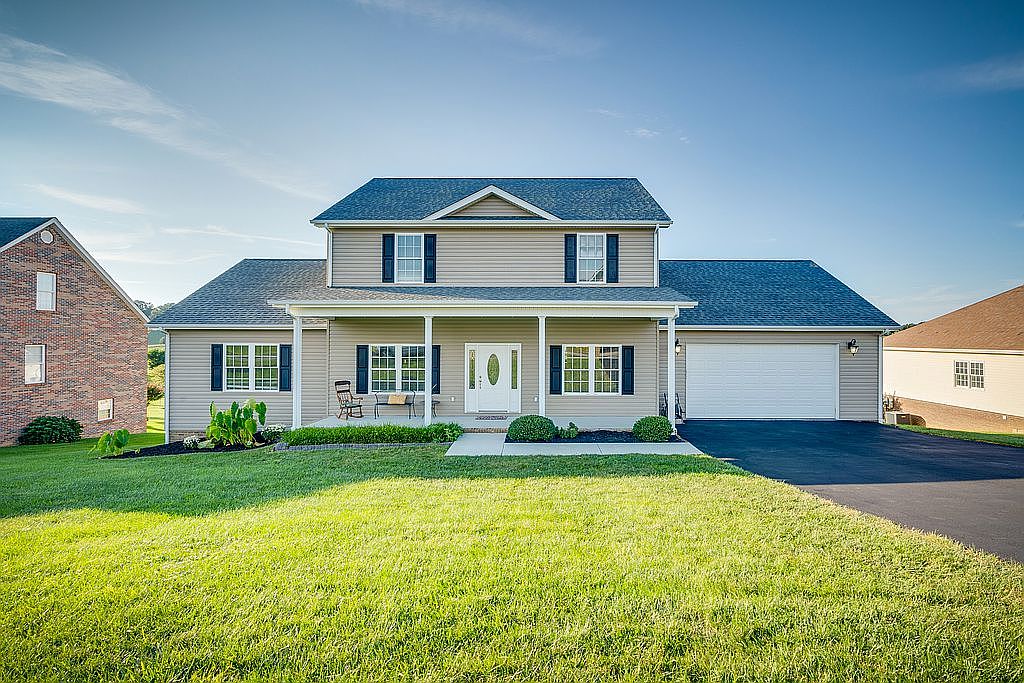
Losing a loved one is a profoundly difficult experience. Amid the grief, you’re suddenly faced with a mountain of logistical and legal tasks, and at the top of that list is often a house. It’s not just a building; it’s a home filled with memories. Then comes the confusing, often intimidating process of probate, and with it, a question our team at Home Helpers hears almost daily: does a house have to be sold in probate?
It’s a question loaded with anxiety. For many, the home represents a legacy, a final connection to the person they’ve lost. The thought of being forced to sell it can be devastating. For others, it’s a significant financial asset tied up in legal red tape. We get it. As a BBB accredited business that prides itself on being a company of people, not just a faceless corporation, we’ve guided countless families through this exact scenario. We’ve seen the relief that comes with clarity, and our goal here is to provide just that—an unflinching, honest look at what you’re facing in 2026.
What Exactly is Probate and Why is the House Front and Center?
Before we can tackle whether a sale is mandatory, we need to be on the same page about probate itself. Think of it as the formal, court-supervised process of winding up a person’s affairs after they’ve passed away. Its main jobs are to prove the validity of the will (if one exists), inventory the deceased’s property, pay off any outstanding debts and taxes, and then, finally, distribute the remaining assets to the rightful heirs and beneficiaries.
So, where does the house fit in? In most estates, the home is the single largest and most valuable asset. It’s the cornerstone of the estate’s value. Because of this, it’s impossible for the court to ignore it. The property’s fate is directly tied to the overall financial health of the estate. This is precisely why the query, does a house have to be sold in probate, becomes so critical. The answer dictates how debts are settled and how inheritances are ultimately paid out. It’s not just a piece of real estate; it’s the key to settling the entire estate fairly and legally.
The Short Answer: No, Not Always
Let’s cut right to the chase. The direct answer to the question does a house have to be sold in probate is a firm ‘no’.
That’s right. A sale is not an automatic, foregone conclusion. It’s a common misconception that our team spends a lot of time clearing up. We’ve found that this myth causes a tremendous amount of unnecessary stress for families. A forced sale is just one of several possible outcomes, and often, it’s not the most common one. The path forward depends on a handful of crucial, interlocking factors that are unique to each estate. So, if the answer isn’t a simple ‘yes,’ what actually determines the outcome?
Key Factors That Decide a Home’s Fate in Probate
The journey of a property through probate is rarely straightforward. It’s influenced by legal documents, financial realities, and human relationships. Our experience has shown that the outcome almost always hinges on four pivotal elements. Understanding these is the first step in figuring out if does a house have to be sold in probate will apply to your specific situation.
1. The Last Will and Testament
The deceased’s will is the primary roadmap for the executor. If the will is clear and specific about the property, its instructions hold immense weight. For instance:
- Specific Bequest: The will might explicitly state, “I leave my home at 123 Main Street to my son, John.” In this case, the intent is clear. The goal is to transfer the property to John, not to sell it. A sale would only happen if it were absolutely necessary to cover estate debts.
- Direction to Sell: Conversely, the will might instruct the executor to sell the property and divide the cash proceeds among several beneficiaries. This is common when the deceased wanted to ensure an equal, liquid inheritance for everyone. Here, the answer to does a house have to be sold in probate is yes, because the will demands it.
- No Mention: If the will doesn’t mention the house specifically, it falls into the ‘residuary estate’—the pool of remaining assets to be divided among heirs. This leaves the decision up to the executor and the other factors on this list.
2. The Estate’s Debts and Liabilities
This is the big one. We can’t stress this enough: an estate must pay its debts before any assets can be distributed to heirs. These debts can include a mortgage on the home, credit card bills, medical expenses from a final illness, and taxes. If the estate has plenty of cash in bank accounts, stocks, or other liquid assets to cover these liabilities, the house may be safe. But what if it doesn’t?
If the estate is ‘cash-poor’ but ‘house-rich,’ selling the property often becomes the only viable solution. The executor has a legal (fiduciary) duty to settle all legitimate claims against the estate. They can’t simply transfer a house to an heir while leaving creditors unpaid. In these situations, the question of does a house have to be sold in probate is answered by a simple, practical need for cash.
3. Agreement (or Disagreement) Among Heirs
When a house is left to multiple people—say, three adult siblings—things can get complicated. Fast. Personal finance and family history collide, and the property becomes the focal point. Here are a few scenarios our team has seen play out:
- Full Agreement: All three siblings agree to sell the house and split the money. Simple.
- One Wants to Keep It: One sibling wants to live in the house or keep it as a rental property. The other two want their share of the inheritance in cash now. This can be resolved if the one sibling can buy out the other two’s shares. This often involves getting a new mortgage.
- Total Disagreement: The heirs cannot agree on anything. One wants to sell, one wants to keep it, and a third is unresponsive. This kind of deadlock is a nightmare for an executor. If the beneficiaries can’t reach a compromise, the executor may petition the court for a ‘partition sale’—a court-ordered sale to liquidate the asset and distribute the proceeds. This is often the path of last resort when family dynamics break down, and it forces a ‘yes’ answer to does a house have to be sold in probate.
4. The Executor’s Authority and Judgment
The executor (or personal representative) is in the driver’s seat. Their job is to manage the estate prudently and in the best interests of the beneficiaries. Even if the will doesn’t mandate a sale and there’s enough cash to pay debts, an executor might still decide to sell. Why?
Perhaps the home is in poor condition and would be a financial drain on the estate (and eventually the heirs) to maintain. Property taxes, insurance, and upkeep don’t pause for probate. Selling it ‘as-is’ to a company like ours at Home Helpers can be a strategic move to preserve the estate’s value by converting a costly, illiquid asset into cash. An executor’s duty is to be responsible, and sometimes the most responsible decision is to sell. This is another nuanced reason why does a house have to be sold in probate doesn’t have a one-size-fits-all answer.
When Selling the House Becomes a Strong Possibility
While a sale isn’t automatic, certain red flags make it much more likely. If you see your situation reflected in these scenarios, you should prepare for the possibility that the answer to does a house have to be sold in probate will be ‘yes’ for your family.
First, there are insolvent estates. This is a clear-cut case where the estate’s debts are greater than its total assets. There’s no gray area here; the law requires the executor to liquidate assets, including the house, to pay creditors as much as possible. Heirs in an insolvent estate typically receive nothing.
Then, as mentioned, there are the explicit instructions in a will. If the document says “sell,” the executor’s hands are tied. Their job is to follow the deceased’s wishes to the letter. Trying to fight this is usually a futile and expensive legal battle.
Heir disputes are another major catalyst. Let’s be honest, family matters are complicated. When siblings who haven’t spoken in years suddenly have to co-own a property, the potential for conflict is immense. If a buyout isn’t financially feasible or emotions are running too high for a civil agreement, the court will almost always favor a sale as the cleanest way to sever the financial ties and give each heir their rightful share. This is a pragmatic solution to an emotional problem, and it’s why so many people end up asking does a house have to be sold in probate.
Finally, think about the ongoing costs. A vacant house is a money pit. You’re paying for insurance, utilities (even minimal ones), property taxes, and basic maintenance. If the probate process drags on for a year or more, which is common in 2026, these costs can eat away at the estate’s value. A savvy executor will weigh these carrying costs against the benefits of a quick, clean sale.
Exploring the Alternatives: How You Might Keep the House
So, you’ve determined a sale isn’t an immediate necessity. Great! Now what? If your goal is to keep the property in the family, you have a few potential paths forward. These options require cooperation, financial planning, and a clear understanding of the process.
One of the most common solutions is an heir buyout. Let’s return to our example of three siblings inheriting a house valued at $300,000. Each sibling’s share is worth $100,000. If one sibling wants the house, they can buy out the other two by paying them $100,000 each. This often means the sibling needs to secure a loan or have significant personal savings. The estate’s attorney can help draft the legal agreements to make this official.
Another option is a ‘distribution in kind.’ This sounds technical, but it simply means transferring the asset itself to the heirs instead of its cash value. If the estate is solvent and all beneficiaries agree, the executor can transfer the title of the house directly to them. The siblings would then co-own the property. This works well if they plan to use it as a shared family vacation home or a rental property. It’s a less viable solution if they live in different parts of the country and have different financial goals.
Sometimes, you can get creative with estate assets. If the estate has a stock portfolio or other investments, the executor might be able to liquidate those to pay off estate debts, leaving the house free and clear to be transferred to the heirs. This avoids having to sell the most emotionally significant asset. The viability of this option is a key part of answering does a house have to be sold in probate.
Comparison Table: Selling vs. Keeping the Probate Property
To make the decision clearer, our team put together a straightforward comparison. There’s no single right answer—it’s about what’s right for your family and your financial situation.
| Feature | Selling the Property | Keeping the Property |
|---|---|---|
| Speed of Process | Can be faster, especially with a cash buyer, providing quick liquidity to the estate. | Can be slower, requiring legal agreements for buyouts or title transfers among heirs. |
| Financial Outcome | Provides a clear, definite cash value for distribution. Locks in the value. | Value is tied up in the asset. Potential for future appreciation but also risk of decline. |
| Emotional Impact | Can be difficult, representing a final closure. Can also be a relief from responsibility. | Preserves a family legacy and memories. Can also lead to ongoing family disputes. |
| Complexity | Involves the complexities of a real estate transaction, sometimes with court oversight. | Involves complexities of co-ownership, financing, and potential future disagreements. |
| Heir Agreement | Requires agreement on the sale, but then the process is managed by the executor. | Requires long-term agreement on maintenance, costs, usage, and an eventual exit plan. |
The Unique Process of a Probate Sale
If selling is the chosen path, it’s crucial to understand that a probate sale isn’t like a typical home sale. The process has extra layers of legal oversight designed to protect the interests of the estate and its beneficiaries. In some jurisdictions, the process requires court confirmation.
This means that after the executor accepts an offer, the sale might have to be advertised to the public, and a hearing is held where other potential buyers can show up and bid on the property. This overbid process can drive the price up but also adds significant delays and uncertainty. The timelines are longer, the paperwork is more complex, and not all real estate agents are equipped to handle the specialized requirements. This is where the question does a house have to be sold in probate evolves into how a house is sold in probate.
Why a Specialized Buyer Is Often Your Best Move
Navigating a probate sale on the traditional market can be a grueling ordeal. You have to deal with repairs, staging, showings, and the uncertainty of a buyer’s financing falling through—all while under the watchful eye of the court and grieving your loss. This is where Home Helpers truly shines. We are not just another company; we are people just like you, and we’ve built our reputation by providing a better way.
As a reputable, BBB Accredited company, we specialize in situations just like this. Here’s how we’re different:
- We Buy As-Is: You don’t need to lift a finger. No repairs, no cleaning, no updates. We see the potential in the property and handle all of that after the sale. This saves the estate thousands of dollars and countless hours of work.
- We Offer Certainty: We provide a fair, transparent cash offer. There’s no risk of financing falling through at the last minute. This certainty is invaluable when an executor needs to report to a court and beneficiaries.
- We Work on Your Timeline: Probate has its own schedule. We understand that. We can close quickly if the estate needs cash, or we can be flexible and close months later when all the legal paperwork is in order. We work as a team with you and your attorney.
Our entire approach is about creating a win-win. We’re passionate about working with homeowners to find the best solution for you. If working with us isn’t the right fit, we’ll be the first to tell you and recommend what we think is best. It’s this open-book philosophy that sets us apart. Have Questions About Our Services? We’re here to provide answers without any pressure.
So, while the answer to does a house have to be sold in probate is complex, the path forward doesn’t have to be a source of constant stress. You have options, and more importantly, you have partners who can help. The key is to understand the factors at play, communicate openly with other heirs, and seek advice from professionals who understand both the legal and the human side of the equation. Whether you ultimately decide to sell or keep the home, making an informed decision is the best way to honor your loved one’s legacy and protect your family’s future.
Frequently Asked Questions
Can an heir live in the house during the probate process?
Generally, yes, but it requires agreement from the executor and all other heirs. The resident heir may be required to pay rent to the estate to cover expenses like taxes, insurance, and maintenance to ensure fairness to other beneficiaries.
How long does a probate sale typically take in 2026?
A probate sale often takes longer than a traditional sale, typically ranging from 6 months to over a year. The timeline depends on court schedules, the complexity of the estate, and whether a court confirmation of the sale is required.
What happens if a house in probate doesn’t sell?
If the house doesn’t sell on the open market and a sale is necessary to pay debts, the executor may need to lower the price. In some cases, the property might eventually be distributed to the heirs, who would then be responsible for the mortgage and upkeep.
Who is responsible for paying the mortgage and upkeep on a house in probate?
The estate is responsible for these costs. The executor uses funds from the estate’s bank accounts or other liquid assets to pay the mortgage, property taxes, insurance, and maintenance until the property is sold or transferred to the heirs.
Does the executor need permission from all heirs to sell the property?
It depends on the authority granted in the will and by the court. An executor with ‘full authority’ may not need consent for the sale itself, but they still have a duty to keep heirs informed. If they have ‘limited authority,’ court and sometimes heir approval is necessary.
If I inherit a house, do I also inherit the mortgage?
Yes, you inherit the property subject to any existing liens, including the mortgage. You will be responsible for taking over the payments. If you cannot qualify for the loan or afford the payments, you may need to sell the property.
What are the main tax implications of selling a home in probate?
For tax purposes, the property’s value is ‘stepped up’ to its fair market value on the date of the owner’s death. This means that if the house is sold shortly after for that value, there is typically little to no capital gains tax to be paid by the estate or heirs.
Can we sell a probate house for less than market value to a family member?
This is generally not allowed and is a breach of the executor’s fiduciary duty. The executor must act in the best interest of all beneficiaries and creditors, which means selling the property for its fair market value to maximize the estate’s assets.
Why would a court force the sale of a house in probate?
A court will typically order a sale to resolve disputes between heirs who cannot agree on the property’s fate. It may also force a sale if it’s the only way for the estate to pay its debts, taxes, and administrative expenses.
What does ‘buying a probate property as-is’ really mean?
It means you are purchasing the property in its current condition, without any repairs or warranties from the seller (the estate). This is common in probate sales, as the executor may not have the funds or knowledge to make repairs, which is why working with a specialized buyer like us is often ideal.
Does every single will have to go through probate?
No, not always. If assets are held in a living trust, or if property is owned with ‘right of survivorship,’ it can pass directly to the new owner outside of probate. However, if a property was owned solely by the deceased, probate is usually required to transfer the title.
Can the deceased’s debts exceed the value of the house?
Yes, this is what’s known as an insolvent estate. If the mortgage and other debts are more than the home’s market value, the lender may foreclose. The heirs would not be personally responsible for the debt unless they were co-signers on the loan.
