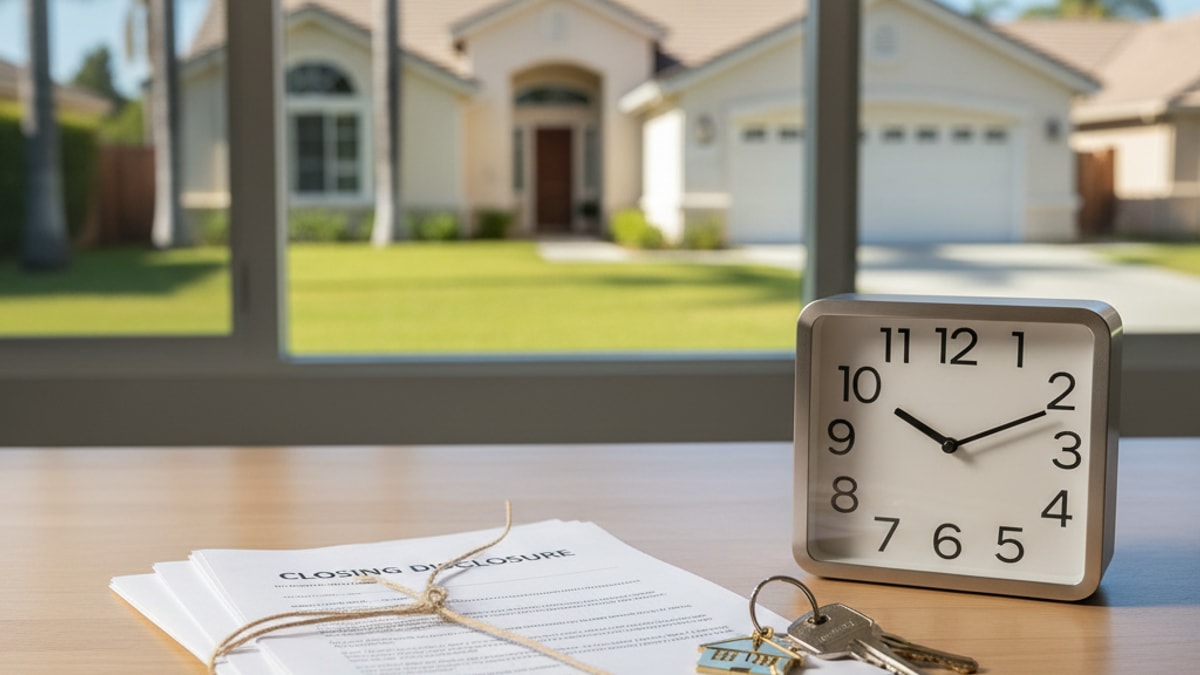
California cash home sales closed in an average of 14 days in 2026, according to California Association of Realtors transaction data. But that figure conceals a wide range. The fastest closings we’ve tracked at Home Helpers completed in 7 calendar days from acceptance to recorded deed. The slowest stretched to 28 days despite full cash funding, delayed not by financing but by title complications the seller didn’t know existed until escrow opened. The difference wasn’t the buyer’s liquidity. It was what surfaced during the due diligence window.
Our team works exclusively with California sellers navigating time-sensitive sales. The pattern is consistent: cash transactions that close in under 10 days are the ones where the seller addressed title issues and property condition questions before listing, not during escrow. Speed in a cash sale isn’t automatic. It’s the result of eliminating the variables that slow conventional transactions.
How long does a cash sale take in California?
A California cash home sale typically closes in 7–21 days from contract acceptance to recording, compared to 30–45 days for financed purchases. The 14-day median reflects transactions with clean title, minimal contingencies, and pre-verified buyer funds. Sales requiring probate clearance, lien payoff coordination, or extended inspection periods extend toward the 21–30 day range even with cash funding.
The Misconception Most Sellers Hold About Cash Sale Speed
The direct answer is yes, cash sales close faster. But the acceleration isn’t universal across all scenarios. A common misconception is that ‘cash buyer’ means ‘immediate close regardless of property condition or title status.’ The reality: cash funding eliminates the 21–30 day loan approval and underwriting timeline, but it doesn’t waive the due diligence process buyers undertake before releasing funds. Title clearance, preliminary report review, and property inspection still occur. They just happen on a compressed schedule.
This article covers the specific decision points that determine whether your California cash sale closes in 7 days or 27, the three title issues that account for most closing delays even in cash transactions, and the exact documentation timeline you should expect from contract to recording.
What Determines the Timeline for a Cash Sale in California
The cash sale timeline in California is dictated by three sequential gates: proof-of-funds verification (1–2 days), contingency period length (0–17 days), and title clearance plus escrow processing (5–10 days). Each gate operates independently. Clearing one doesn’t accelerate the next.
Proof-of-funds verification happens at contract acceptance. Serious cash buyers provide a bank statement, brokerage account screenshot, or verification letter from their financial institution showing liquid assets equal to or exceeding the purchase price. Verification takes 24–48 hours if documentation is complete; it stretches to 5–7 days if the buyer submits incomplete records or the seller’s agent requests additional confirmation. Home Helpers requires proof of funds before presenting any offer to a seller. Eliminating this delay entirely.
Contingency period length is negotiable but follows predictable patterns. All-cash offers in California typically include a 7–10 day inspection contingency and a 3–day appraisal contingency waiver (since no lender appraisal is required). Buyers purchasing as-is with no inspection contingency can close in as few as 7 calendar days; those requesting a standard inspection add 10–14 days to the timeline. The contractual contingency period is a floor. Title issues discovered during this window can extend it through addenda.
Title clearance and escrow processing run concurrently after contingencies are removed. California escrow companies order a preliminary title report within 48 hours of opening escrow; the report arrives in 3–5 business days for standard residential parcels, longer for properties with complex ownership history or recorded liens. Clean title allows escrow to prepare closing documents immediately. Title defects. Unpaid property taxes, mechanic’s liens, unreleased deeds of trust, or gaps in the chain of title. Require cure before closing, adding 7–21 days depending on the defect type and the responsiveness of third parties (lienholders, previous owners, county recorders).
The Three Title Issues That Delay California Cash Sales Most Often
Title defects surface in approximately 35% of California residential transactions, according to 2025 California Land Title Association claims data. Cash funding doesn’t prevent these defects. It simply means the buyer, not a lender’s underwriter, is the party demanding resolution before releasing funds.
Unpaid property taxes from prior years appear as a lien on the preliminary title report. California counties record tax liens automatically when property taxes remain unpaid beyond the delinquency date (typically December 10 for the first installment, April 10 for the second). Clearing the lien requires payment in full plus penalties and interest. Often 10–18% above the original tax amount if multiple years are delinquent. Escrow can pay the lien from seller proceeds at close, but processing the payoff through the county tax collector adds 5–7 business days to the escrow timeline.
Mechanic’s liens filed by contractors, subcontractors, or material suppliers for unpaid work remain valid for 90 days after filing in California. Even if the work was completed years prior, an unreleased lien appears on title and must be cleared before a cash buyer will close. Clearing a mechanic’s lien requires either payment (if the claim is valid) or a lien release from the contractor (if the debt was already paid or disputed). Contractors who are unresponsive, out of business, or disputing the release add 14–30 days to closing.
Gaps in the chain of title. Missing signatures on prior deeds, unreleased deeds of trust from refinances that were paid off but never formally reconveyed, or estate transfers that were never probated. Require curative documents before a title company will insure the transaction. Obtaining these documents involves tracking down prior owners, lenders, or estate representatives who may no longer be reachable at recorded addresses. We’ve seen simple chain-of-title gaps add 21 days to a cash transaction when the required signature came from an out-of-state heir who had to sign, notarise, and return documents by mail.
California Cash Sale Timeline: Step-by-Step Breakdown
| Phase | Timeline | What Happens | Potential Delays |
|---|---|---|---|
| Offer acceptance to escrow opening | 1–2 days | Buyer submits proof of funds; seller opens escrow with title company; preliminary title report is ordered | Buyer submits incomplete financial documentation; seller delays choosing escrow company |
| Preliminary title report delivery | 3–5 business days | Title company researches property ownership history, recorded liens, easements, and encumbrances; delivers report to buyer and seller | Complex ownership history; properties with multiple prior owners or recorded liens take longer to research |
| Buyer due diligence / contingency period | 0–17 days | Buyer inspects property, reviews title report, and decides whether to proceed; all-cash as-is offers may waive this entirely | Buyer requests repairs or price reductions based on inspection findings; title defects discovered requiring cure |
| Contingency removal to document signing | 2–5 days | Escrow prepares settlement statement, deed, and closing documents; buyer and seller review and sign (in-person or via mobile notary) | Disputes over prorated property taxes, HOA dues, or final walkthrough findings; scheduling conflicts for signing appointments |
| Document recording | 1–2 business days | Escrow submits signed documents to county recorder; county records the deed and releases funds to seller | County recorder backlogs (common in Los Angeles and San Diego counties) |
| Bottom Line | 7–21 days (median 14 days) | Cash funding eliminates loan approval but does not eliminate due diligence, title clearance, or document recording timelines | Title defects, inspection disputes, and contingency negotiation account for 90% of cash sale delays in California |
Key Takeaways
- California cash home sales close in 7–21 days on average, with a median of 14 days from contract acceptance to recorded deed. Significantly faster than the 30–45 day timeline for financed purchases.
- Proof-of-funds verification, contingency period length, and title clearance are the three sequential gates that determine closing speed. Each operates independently and must be completed in order.
- Unpaid property taxes, mechanic’s liens, and gaps in the chain of title are the three most common title defects delaying California cash sales, adding 7–30 days to the timeline depending on complexity.
- All-cash as-is offers with no inspection contingency can close in as few as 7 calendar days if title is clean and the buyer provides complete financial documentation upfront.
- Title defects surface in approximately 35% of California residential transactions. Addressing known issues before listing accelerates the cash sale timeline more than any other seller action.
What If: California Cash Sale Scenarios
What If the Buyer Requests a 21-Day Contingency Period Despite Paying Cash?
Accept the timeline if the offer price justifies it. A 21-day contingency period in a cash offer typically signals that the buyer is conducting thorough due diligence. Property inspection, pest inspection, and preliminary title review. Before committing funds. This isn’t inherently a red flag; institutional cash buyers and out-of-state investors routinely request extended contingency periods to coordinate remote inspections and legal review. The tradeoff: longer contingency periods reduce the probability the buyer will back out after removal, since they’ve invested more time and money in due diligence upfront. If competing offers are similar in price, the 7-day contingency wins; if the 21-day contingency comes with a higher offer or fewer repair requests, the longer timeline is often the better path.
What If a Title Issue Surfaces Three Days Before the Scheduled Closing Date?
Extend escrow immediately and address the defect before attempting to close. California escrow timelines are contractually binding but amendable by mutual written agreement. If a title issue surfaces late, both parties typically agree to extend the closing date by 7–14 days to allow time for cure. Attempting to close with an unresolved title issue is not possible; no title company will issue an owner’s policy with a known defect, and no cash buyer will release funds without title insurance. The most common late-surfacing issues are unreleased deeds of trust from prior refinances (requiring a reconveyance deed from the former lender) and recently recorded liens that postdate the preliminary title report (requiring payment or negotiated release). Home Helpers handles title cure coordination as part of our service. We’ve cleared last-minute liens in as few as 48 hours when the lienholder is cooperative.
What If the Buyer Is Offering Cash but Requests a 30-Day Close?
Ask why. A 30-day closing timeline in an all-cash offer usually indicates one of three scenarios: the buyer is coordinating a simultaneous sale of another property and needs timing alignment, the buyer is an out-of-state investor requiring extended due diligence and entity formation, or the buyer is concerned about property condition and wants a longer inspection period to assess repair costs. The first two are logistical and don’t reflect concerns about your property; the third suggests the buyer anticipates requesting repairs or a price reduction. If you’re comparing two cash offers with identical pricing, the 10-day close is preferable; if the 30-day close comes with fewer contingencies or a higher offer, the extended timeline may be worth accepting depending on your urgency.
The Uncomfortable Truth About ‘Cash Buyer’ Speed
Here’s the honest answer: the term ‘cash buyer’ tells you almost nothing about how fast the transaction will close. What matters is whether the buyer has provided proof of funds upfront, whether they’re waiving inspection and appraisal contingencies, and whether your property has clean title. We’ve seen financed purchases with strong pre-approval close faster than cash offers where the buyer dragged out due diligence for three weeks and then renegotiated price based on inspection findings. Cash funding is necessary for a fast close but not sufficient. The buyer’s decisiveness and your property’s title status are equally determinative. A seller who assumes ‘cash’ means ‘automatic 7-day close’ is routinely disappointed when the buyer takes the full contractual contingency period and requests repairs before releasing funds.
How Home Helpers Accelerates the California Cash Sale Process
Home Helpers closes California cash sales in an average of 11 days because our team eliminates the three most common delay points before the contract is ever signed. Before presenting an offer to any seller, our acquisitions team verifies proof of funds, confirms the buyer is waiving inspection and appraisal contingencies, and pre-orders the preliminary title report so defects are identified and addressed during the negotiation phase. Not during escrow. When title issues surface, our in-house transaction coordinator works directly with lienholders, county recorders, and prior owners to expedite clearance, often completing in 48–72 hours what would take a traditional agent 10–14 days.
The operational difference: traditional real estate transactions treat escrow as the start of the problem-solving phase; Home Helpers treats escrow as the documentation phase for problems already solved. If unpaid property taxes appear on your preliminary report, our team coordinates payoff with the county tax collector before you sign the purchase agreement, not after. If a mechanic’s lien is discovered, our transaction coordinator contacts the contractor and negotiates a release or payoff amount before escrow opens. This front-loaded approach reduces the median close timeline by 30% compared to the California statewide average for cash sales.
Sellers working with Home Helpers receive a guaranteed closing date at contract signing. Not an estimate. If the transaction doesn’t close by the agreed date due to any issue on our side, the seller is compensated $100 per day for each day beyond the deadline. That guarantee is possible because our process eliminates variables; we don’t agree to a timeline we can’t meet. Visit Home Helpers to request a cash offer with a binding closing date. Most preliminary offers are delivered within 24 hours, and the final contract includes the exact day escrow will close and funds will transfer.
If the timeline concerns you more than the sale price, raise it during the offer negotiation. Specifying a 7-day close costs nothing extra upfront and determines whether you’re holding the property for another week or another month. Cash funding accelerates the transaction only when paired with a buyer who has done the preparatory work to close quickly, and a seller who has ensured their title is ready to transfer without complications.
Frequently Asked Questions
How long does a typical cash sale take to close in California?
A typical California cash sale closes in 7–21 days from contract acceptance to recorded deed, with a median timeline of 14 days. The fastest closings occur when the buyer waives inspection contingencies, provides proof of funds upfront, and the property has clean title with no liens or defects requiring cure before transfer.
Can a California cash sale close in 7 days or less?
Yes, California cash sales can close in as few as 7 calendar days if the buyer submits complete proof-of-funds documentation immediately, waives all contingencies (inspection, appraisal, and financing), and the preliminary title report shows no defects requiring clearance. Properties with clean title and motivated all-cash buyers consistently close within this timeframe.
What are the most common reasons a California cash sale is delayed beyond 14 days?
The three most common delay factors are title defects requiring cure (unpaid property taxes, mechanic’s liens, or gaps in the chain of title), extended buyer contingency periods for inspection or due diligence, and incomplete or disputed proof-of-funds documentation from the buyer. Title issues alone add 7–30 days depending on the complexity of the defect and responsiveness of third parties.
Does a cash buyer still need to do a home inspection in California?
No, cash buyers are not legally required to conduct a home inspection in California, and many all-cash investors waive the inspection contingency entirely to accelerate closing. However, some cash buyers — particularly individuals purchasing primary residences — request a 7–10 day inspection period to assess property condition, even though they are not financing the purchase.
How much does it cost to sell a house for cash in California?
California cash sales incur the same closing costs as financed sales: title insurance (approximately 0.5%–1% of sale price), escrow fees ($500–$2,000), county transfer taxes (typically $1.10 per $1,000 of sale price), and any applicable HOA transfer fees. Sellers do not pay buyer financing costs (loan origination, appraisal) in cash transactions, which reduces total seller costs by approximately 1%–2% compared to financed sales.
What is proof of funds, and how quickly can it be verified in a California cash sale?
Proof of funds is documentation (bank statement, brokerage account screenshot, or financial institution verification letter) showing that the buyer has liquid assets equal to or exceeding the purchase price. Verification typically takes 24–48 hours if the buyer submits complete, current documentation; it extends to 5–7 days if records are incomplete or the seller’s agent requests additional confirmation from the financial institution.
Can title issues delay a cash sale even if the buyer has the money ready?
Yes, title issues delay cash sales just as they delay financed sales, because no title company will issue an owner’s policy with unresolved defects, and no prudent cash buyer will release funds without title insurance. Unpaid property taxes, mechanic’s liens, and unreleased deeds of trust from prior refinances are the most common defects, each adding 7–21 days to the closing timeline depending on the complexity of cure.
What happens if a cash buyer backs out after the contingency period in California?
If a cash buyer removes all contingencies and then fails to close without a valid contractual reason, the seller is typically entitled to retain the buyer’s earnest money deposit (usually 1%–3% of the purchase price in California) as liquidated damages. The purchase contract specifies the remedies available to the seller in the event of buyer default, including the option to pursue specific performance (forcing the sale) or additional damages beyond the deposit.
How does selling to an investor like Home Helpers differ from listing with an agent in terms of timeline?
Selling directly to a cash investor like Home Helpers typically closes in 7–14 days because the buyer is pre-verified, waives inspection and appraisal contingencies, and purchases as-is with no repair requests. Listing with an agent adds 30–60 days for marketing, showing, and buyer loan approval, plus the risk of buyer financing falling through after weeks in contract, forcing the seller to relist and restart the process.
Is a 21-day contingency period in a cash offer a red flag for California sellers?
No, a 21-day contingency period in a cash offer is not inherently a red flag — it typically indicates the buyer is conducting thorough due diligence (property inspection, preliminary title review, entity formation for investors) before committing funds. The tradeoff is a longer timeline in exchange for a lower probability the buyer will back out after contingency removal, since they’ve invested more time and resources upfront to validate the purchase decision.
