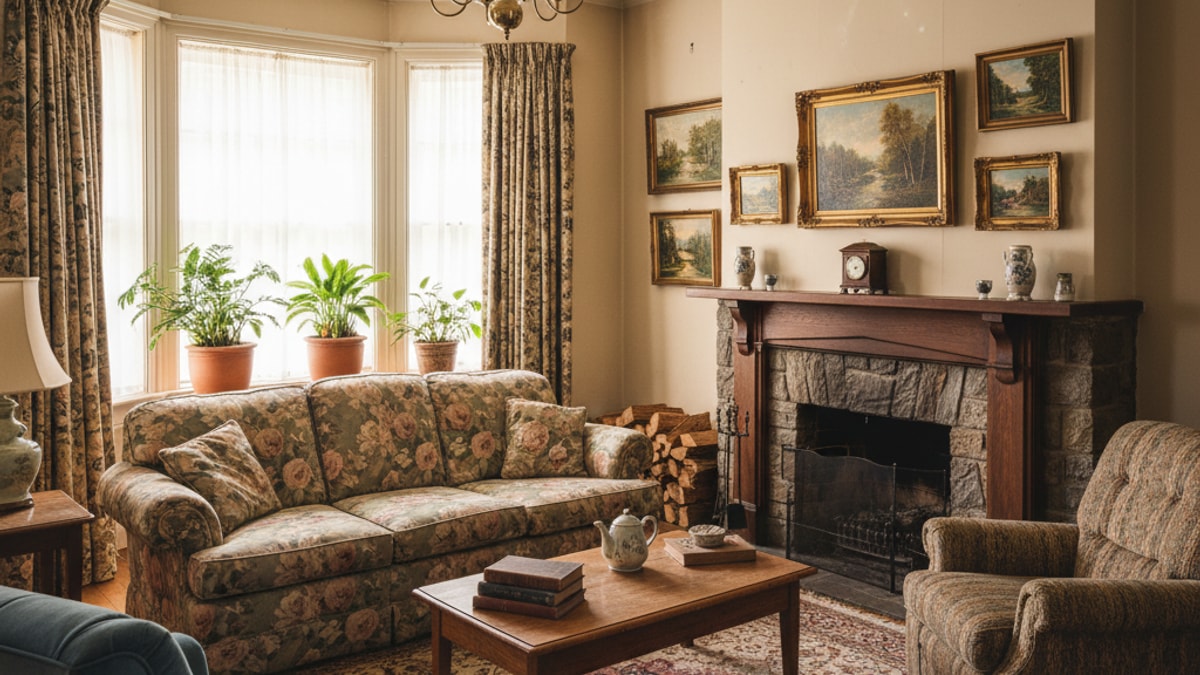
It’s one of the most stressful situations a family can face. You’re trying to manage a major life transition for your aging parent, and a critical piece of that puzzle—selling their home—has stalled. The sign has been in the yard for weeks, maybe months. You had a flurry of interest at the beginning, but now it’s just… crickets. The question starts to echo in your mind, getting louder with each passing day: why isn’t my home selling?
Our team at Home Helpers works with families during these pivotal moments every single day. While we’re not real estate agents, we have a unique, ground-level view of the challenges that arise when a senior’s long-time residence goes on the market. We see the intersection of emotion, logistics, and market realities play out in real-time. We understand that this isn’t just a property; it’s a family landmark filled with decades of memories, and that makes the entire process incredibly complex. Let’s be honest, this is crucial. We’re here to offer our perspective on the hurdles we’ve seen families encounter and provide some insights to help you get moving again.
The Elephant in the Room: Is the Price Right?
This is always the first, and often the most difficult, conversation to have. No one wants to hear that their home is worth less than they think. For a home that’s been in the family for 30, 40, or even 50 years, the emotional value is immeasurable. It’s the place of childhood memories, holiday gatherings, and countless life events. The problem is, the real estate market doesn’t operate on sentiment. It operates on data, comparisons, and cold, hard facts.
We’ve found that the biggest pricing mistake stems from what’s called ’emotional pricing.’ It’s the tendency to add value based on personal attachment. You remember the weekend you spent installing that deck, so in your mind, it’s worth more. Your mom adored her rose garden, so surely that adds a premium. A real estate agent will provide a comparative market analysis (CMA), which looks at recent sales of similar homes in the area. This is your reality check. If your list price is significantly higher than the comps, you’re not just aiming high; you’re likely deterring buyers from even booking a showing.
Think of it this way: buyers are scrolling through dozens of listings online. If your 3-bedroom, 2-bath home is priced 15% higher than every other 3-bedroom, 2-bath home in a half-mile radius, they won’t even click to see the photos. They’ll just assume something is off or that the seller is unrealistic. The first two weeks on the market are absolutely golden. That’s when you have peak visibility and interest. If you squander that time with an inflated price, you end up chasing the market down with price reductions later, which can make buyers wary and lead them to wonder what’s ‘wrong’ with the property. It’s a tough pill to swallow, but an objective, market-driven price from day one is the single most important factor in a successful sale.
First Impressions Are Everything (And We Mean Everything)
You only get one shot to make a first impression. In real estate, that impression happens in two places: online and at the curb. If either one is weak, you’ve lost a potential buyer. We can’t stress this enough.
Let’s start with the digital curb appeal: your photos. In an era of high-definition everything, grainy, poorly-lit smartphone snapshots are catastrophic for a listing. They scream ‘unprofessional’ and suggest the property isn’t worth a serious look. Professional real estate photography is a non-negotiable element of modern home selling. A great photographer knows how to use light, angles, and composition to make rooms look spacious, bright, and inviting. It’s not about deception; it’s about presenting the home in its best possible light. If your online photos are dark or cluttered, buyers will swipe left without a second thought.
Then there’s the actual, physical curb appeal. This is where a long-term family home can show its age. We’re talking about overgrown bushes obscuring the windows, faded paint on the shutters, a lawn that’s more weeds than grass, or a front door that looks tired and worn. These may seem like small things, but for a buyer pulling up to the house, they create an immediate impression of neglect. It sends a subconscious signal that if the outside is unkempt, the inside probably is too. A weekend spent trimming hedges, laying fresh mulch, painting the front door, and putting out a new welcome mat can have a staggering return on investment. It creates a sense of arrival and welcome that is priceless.
Once inside, the challenge is often decluttering. Over decades, a home accumulates stuff. Collections, memorabilia, bulky furniture, and generations of belongings can make rooms feel small, dark, and chaotic. A buyer needs to be able to envision their own life in the space. They can’t do that if every surface is covered with personal items. This process can be emotionally taxing for a parent, as it feels like erasing their history. This is an area where our caregivers often provide gentle support, helping a senior sort through belongings one small box at a time, turning a formidable task into a manageable process of reminiscing and preparing for the next chapter. It’s about respecting the past while clearing the way for the future.
The Challenge of Showing a Home That’s Still Occupied
This is, without a doubt, one of the biggest logistical hurdles for families. A home on the market needs to be ‘show-ready’ at a moment’s notice. That means beds made, dishes done, counters clear, and personal items tucked away. For an older adult, especially one with mobility issues or a set routine, this constant state of readiness is incredibly disruptive and stressful. What happens when an agent calls and wants to bring a buyer over in 30 minutes?
The reality is that buyers feel more comfortable exploring a home when it’s empty. They want to open closet doors, look in cabinets, and talk freely about their impressions without feeling like they are intruding on someone’s private space. If the homeowner is present during a showing, it can be awkward for everyone involved. Buyers may rush through the tour and be hesitant to give honest feedback to their agent.
This is where planning and support become essential. We’ve worked with many families to create a ‘showing plan.’ This might involve having a caregiver take Mom or Dad out for a coffee, a walk in the park, or to run errands when a showing is scheduled. This ensures two things: the parent avoids the stress and disruption, and the buyer gets the freedom to experience the home properly. It transforms a chaotic scramble into a smooth, predictable process. The goal is to make the home as accessible as possible. If you’re constantly declining showing requests because the timing isn’t convenient, you are actively turning away potential buyers.
Here’s a look at how a supported approach can make a world of difference:
| Task | DIY Challenge | How a Supportive Partner Can Help |
|---|---|---|
| Daily Tidiness | Keeping the home consistently ‘show-ready’ is exhausting and stressful for a senior. | A caregiver can provide light housekeeping, ensuring beds are made, dishes are put away, and clutter is managed. |
| Accommodating Showings | Last-minute requests can disrupt routines, meals, and medical schedules, causing anxiety. | A companion can take your parent on a pleasant outing, turning a stressful event into an enjoyable activity. |
| Managing Personal Items | Keeping medications, personal papers, and valuables secure and out of sight can be a constant worry. | Helping to organize and secure sensitive items before showings provides peace of mind for the whole family. |
| Emotional Support | The process of strangers walking through one’s home can feel invasive and emotionally draining. | Having a familiar, friendly face for support can reduce feelings of isolation and stress during a difficult transition. |
Outdated vs. Vintage: A Fine Line
There’s a difference between charmingly retro and just plain dated. That avocado-green kitchen from a bygone era or the bathroom with fuzzy toilet seat covers and floral wallpaper might be full of nostalgic memories, but to a modern buyer, it just looks like a massive, expensive renovation project. Today’s buyers, particularly younger ones, often have demanding schedules and high expectations. They are looking for homes that are move-in ready.
A home that hasn’t been updated in 20 or 30 years is a tough sell. While you don’t necessarily need to gut the entire house, strategic, high-impact updates can make a dramatic difference. A fresh coat of neutral paint is the single most effective and affordable update you can make. It instantly makes a space feel brighter, cleaner, and larger. Swapping out dated brass light fixtures for modern brushed nickel or matte black ones is another quick win. The same goes for cabinet hardware in the kitchen and bathrooms.
These small cosmetic fixes can shift a buyer’s perception from ‘this needs a ton of work’ to ‘this has good bones and just needs a few personal touches.’ It’s about removing the most glaring objections. You want buyers to focus on the layout and the space, not get distracted by the shag carpet or the popcorn ceilings. Our experience at Home Helpers, as detailed on our Blog, often involves assessing a home environment for safety and comfort, and we see firsthand how small changes can radically improve a space’s feel and function. It’s the same principle when selling. You’re not just selling square footage; you’re selling a vision of a lifestyle, and that vision needs to feel fresh and appealing.
Are You Reaching the Right Buyers?
Assuming the price, condition, and presentation are all dialed in, if the home still isn’t selling, it’s time to look at the marketing. Simply putting a sign in the yard and a listing on the MLS is passive marketing. It’s not enough anymore.
A proactive marketing strategy is critical. Does your agent have a strong online presence? Are they using social media to showcase the listing? Are they running targeted ads to reach demographics most likely to be interested in your type of home and neighborhood? Are they hosting well-publicized open houses?
Again, it comes back to the quality of the listing itself. Does the written description tell a story about the home, or is it just a dry list of features? It should highlight the benefits, not just the specs. Instead of ‘3 bedrooms,’ try ‘a spacious primary suite with a walk-in closet, plus two additional bright bedrooms perfect for family, guests, or a home office.’ It’s about painting a picture. The listing should also include a floor plan and, if possible, a virtual 3D tour. These tools allow buyers to get a real sense of the flow and layout before they even visit, which means the people who do book showings are already highly qualified and interested.
It’s also worth evaluating if you have the right agent for the job. Do they specialize in your neighborhood? Do they have a proven track record of selling homes like yours? A great agent is a partner. They communicate frequently, provide detailed feedback from every showing, and adjust the strategy as needed. If your agent is passive or a poor communicator, it might be time to consider a change. The success of this entire endeavor rests on their expertise and effort.
Listening to Feedback (Even When It Hurts)
After a showing, your agent should be relentlessly pursuing feedback from the buyer’s agent. This feedback is pure gold. It is the market speaking directly to you, telling you exactly why your home isn’t selling. It can be hard to hear. Comments like ‘the kitchen felt too cramped,’ ‘the backyard has no privacy,’ or ‘we could smell the cat’ can feel like personal criticisms.
But you have to separate the emotion from the data. If one person says the rooms are too dark, it’s an opinion. If three or four people say the same thing, it’s a fact you need to address. Maybe you need to trim the hedges outside the windows, increase the wattage in the light bulbs, and remove heavy drapes. If you hear that the price is too high from multiple parties, it’s a clear signal that a price reduction is necessary. Ignoring consistent feedback is choosing to let your house sit on the market indefinitely.
The team we’ve built, which you can read about on our About page, is founded on the principle of listening carefully to the needs of the families we serve. That same mindset is crucial here. Listen to what the buyers are telling you through their feedback. They are giving you the roadmap to a successful sale. Address the objections you can control, and be realistic about the ones you can’t. This unflinching honesty is what will ultimately get you to the closing table.
Selling a parent’s home is so much more than a financial transaction. It’s a major life event, wrapped up in emotion, memory, and the challenge of caring for a loved one. It requires patience, objectivity, and a strong support system. While you and your real estate agent focus on the market, remember that partners exist to help manage the human side of this transition. If you find yourself overwhelmed by the logistics of preparing a home while caring for a loved one, that’s a sign to ask for help. A successful outcome is one where the home sells for a fair price and your parent’s well-being is protected throughout the entire process. Should you need support navigating the care aspect of this journey, please feel free to Contact our team. We’re here to help make the transition smoother for everyone.
Frequently Asked Questions
How important is decluttering my parent’s home before selling?
It’s critically important. A decluttered home appears larger, cleaner, and allows potential buyers to envision their own belongings in the space. It moves the focus from the seller’s history to the buyer’s future.
Should we do a major kitchen or bathroom renovation before selling?
Not usually. Major renovations rarely provide a 100% return on investment. Focus on smaller, high-impact cosmetic updates like fresh paint, new light fixtures, and modern hardware to refresh the space without over-investing.
My mom is still living in the house. How do we handle showings?
Plan ahead. Try to schedule showings in a block of time, and arrange for a pleasant outing for your mom during that window. This minimizes disruption for her and allows buyers to view the home freely.
We’ve had no offers for a month. Should we lower the price?
If you’ve had consistent showings but no offers, it’s often a sign that the price is too high for the home’s perceived condition. If you’ve had very few showings, the price is likely scaring buyers away before they even visit. In either case, a price reduction is usually the next logical step.
What are the most common smells that turn off buyers?
Pet odors, smoke, and strong cooking smells (like curry or fried foods) are the most common offenders. Because you may be used to them, ask a neutral third party for an honest opinion and consider a professional deep cleaning.
How much does professional photography really matter?
It matters immensely. Your home’s first showing happens online, and professional photos are your single best tool to make a great impression. Poor-quality photos can stop buyers from ever scheduling an in-person visit.
Should we remove family photos before showings?
Yes, it’s highly recommended. Depersonalizing the space helps buyers connect with the house emotionally and picture it as their own. It’s a small but powerful staging technique.
The feedback we’re getting is that the decor is dated. What’s the easiest fix?
A fresh coat of neutral paint is the easiest and most cost-effective fix. Colors like agreeable gray, beige, or off-white create a blank canvas that feels bright, clean, and modern to most buyers.
Is it better to sell the house empty after my parent moves out?
It can be easier logistically, but empty homes sometimes feel cold and small. Professional staging can help define the space and create a warm, inviting atmosphere, often leading to a quicker sale at a higher price.
Our agent isn’t giving us much feedback. Is that a red flag?
Yes, it can be. A proactive agent should be communicating with you regularly and sharing all feedback, both good and bad. This information is vital for making strategic decisions about price and presentation.
How do we balance our parent’s comfort with the need to sell?
This is the core challenge. Create a team approach involving your family, your parent (as much as they are able), and support services. Having a caregiver to assist with tidying or provide companionship during showings can significantly reduce stress and maintain your parent’s routine.
